In the realm of human cognition, few phenomena captivate and mystify as much as the workings of memory. For centuries, researchers have dedicated themselves to understanding the intricate mechanisms behind the ability to retain and retrieve information.
Colorado State University psychology Professor Anne Cleary is one of them. She is a leading expert in the field of metacognition and was one of the first to shed light on enigmatic experiences such as déjà vu and the “tip-of-the-tongue” phenomenon through her research on recognition without identification.
These strange but widely experienced phenomena are intriguing aspects of human memory and cognition.
Cleary gathered much of her data using “list learning,” which refers to a type of experimental test used to study memory and cognitive processes related to learning and recalling information. Participants are given a list of words to study and are then tested by being asked to recall whether or not fragments of words were in the original list.
Recognition without identification was the finding that people could still recognize which word fragments came from studied words and which did not, even if they couldn’t identify the word it came from. This idea is a general phenomenon that can be extended to other stimuli, including pictures, scenes, and faces.
Similarly, Cleary used the Sims video game to simulate déjà vu experiences. In Sims, you can design unique layouts of rooms, which Cleary did, creating an aquarium that has the same layout as a reception area, for example. This created spatial similarities, which Cleary has formerly shown to cause a déjà vu experience in participants.
With the help of virtual reality headsets and the Sims video game, Cleary was able to send a person into a room and then later a spatially similar room, causing them to sometimes feel a sensation of déjà vu. This research led Cleary and others in the research community to empirically support a hypothesis for a phenomenon that was formerly believed to be in the realm of pseudoscience. Instead of déjà vu being a paranormal phenomenon, Cleary discovered that déjà vu is experienced in real-life scenarios when there are spatial similarities in our surroundings to somewhere someone really has been before.
In a recent study, Cleary explored the potential of smartwatches for augmenting learning beyond classroom environments. Through a series of five experiments, it was found that when participants received review questions via smartwatches after reading scientific passages, they exhibited improved retention of information and reduced their likelihood of forgetting after a two-day interval.
The delivery of the information also proved to be important. A test question popping up first, followed by its answer, was more beneficial than a mere restatement of the initial information.
The study revealed that the beneficial effect of smartwatch prompts on retention remained consistent regardless of participants’ activities, such as reading magazines, watching Netflix episodes, or engaging with their smartphones during the prompting process. This research highlights the strategic potential of utilizing technology and Cleary’s commitment to staying in the vanguard of scientific exploration.
By exploring how individuals discern familiar stimuli and unraveling the intricacies of déjà vu experiences, Cleary has made groundbreaking contributions to the field of metacognition. She said her tactics to test these theories are a “unique paradigm and unique methodology that has never really been a mainstream approach.”
Cleary applies procedures that are tested in other studies but has been the first to do so in relation to recognition without identification and déjà vu. “These phenomena offer insights into memory’s inner workings,” Cleary said. “A purpose of this sense may be to direct our attention inward toward a search of memory to try to seek out the memory. Déjà vu, tip of the tongue, and recognition without identification may be giving us a glimpse of how our attentional focus is modulated. They refocus our attention toward our memories.”
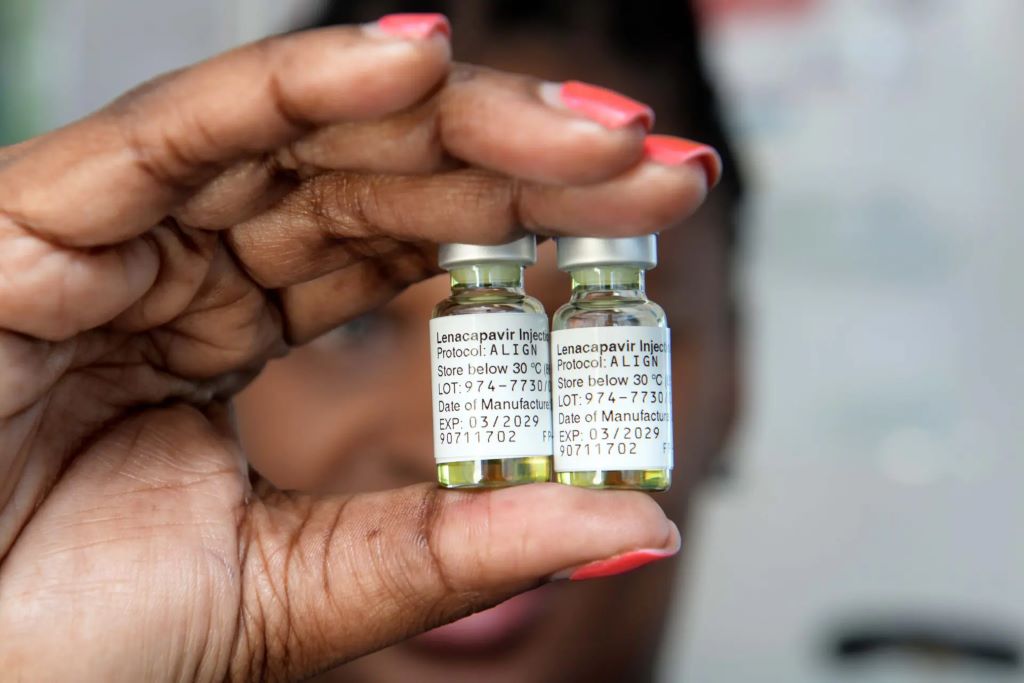
Lenacapavir is administered via two injections of 1.5ml each in the buttocks, thigh, abdomen or upper arm. (Photo: Nasief Manie/Spotlight)
South Africa’s rollout of lenacapavir, a six-monthly HIV prevention injection, requires nurses to learn, adapt and find ways to make it work for patients.
After 26 years in nursing, Sister Keitumetse “Tumi” Senokwane still had something new to learn about giving injections.
The six-monthly HIV-prevention jab, lenacapavir, often referred to as just LEN, presented a unique challenge.
“You know, lenacapavir is different. As much as I’ve got experience with injections, the needle size is different from the subcutaneous (beneath the skin) injections we are used to, and the solution is quite thick,” says Senokwane. “Because we were not used to it, the practical training helped us to get used to it.” She practised withdrawing the yellow liquid, using cooking oil as a stand-in.
That kind of preparation matters because lenacapavir for HIV prevention is being introduced at a time when South Africa still has a substantial need for effective HIV prevention options. The country had an estimated 140 000 new HIV infections in 2025. Modelling suggests that scaling up lenacapavir to 1.4 million to 2.1 million initiations a year by 2030 could avert an average of 32 200 to 51 700 infections annually.
But realising lenacapavir’s potential will depend on more than getting the injection into clinics. It also requires nurses to administer it correctly, answer patients’ questions, and adapt services to their needs.
Getting to grips with lenacapavir
Senokwane is a professional nurse and site manager at Maria Rantho Community Health Centre and Phedisong 1 Clinic in Tshwane, which are participating in the Wits RHI Len4PrEP study.
“LEN4PrEP is an implementation research study, so looking at how we can deliver the product in a real-world setting,” says study investigator Dr Catherine Martin.
The researchers recruited 1 544 participants between November 2025 and June 2026, with follow-up continuing until June 2027. The study began several months before South Africa’s national rollout of lenacapavir on 5 June 2026, when the injection was launched at 360 public health facilities across six provinces.
By 8 October, 76 922 people had initiated LEN nationally, including 36 733 in 133 facilities in Gauteng, according to health department spokesperson Foster Mohale.
For Senokwane and her colleagues, administering lenacapavir meant learning a new HIV prevention method.
Nurses first had to complete a compulsory Nurse-Initiated Management of Antiretroviral Therapy (NIMART) course, which provides a theoretical foundation for managing HIV and antiretroviral treatment. This was followed by practical training in preparing and administering LEN.
Training also covered eligibility, side effects, HIV testing and counselling, with videos and clinical mentorship providing additional support.
Mohale says feedback from early-rollout clinics, nurses and patients would help the department refine its training and guidelines.
At the study clinics, nurses also had to adapt the service to patients’ needs and fit the new injection method into existing care.
The one-stop shop
The Department of Health’s lenacapavir implementation guidelines emphasise counselling clients on their HIV prevention options and helping them choose a method that suits their needs.
At the study clinics, nurses incorporated LEN into existing sexual and reproductive health services, allowing clients to access HIV prevention alongside services such as family planning and STI screening and treatment during a single visit.
“You will get all services in one room like a one-stop shop,” says Senokwane.
“Maybe you are here for lenacapavir, but we also check whether you are on a family planning method. If not, we will give you information and provide a family planning method for you, where we screen you for STIs, and then if you’ve got some infections, we also treat you,” she says.
The LEN4PrEP study also used a mobile clinic to bring HIV prevention and sexual and reproductive health services to young people in their communities.
“So many of our clients already know us. They know how we treat them and the quality of service we provide,” she says.
Initial LEN consultations took longer as nurses explained the available prevention methods and how soon each would offer protection against HIV.
“We give you the information and explain how each method works, how long until it is effective. Participants would like to know when they are going to be protected from HIV if they take this specific method,” says Senokwane.
At the Southern African HIV Clinicians Society’s Long-Acting Antiretroviral Treatment Conference in Johannesburg in September, Wits RHI’s Professor Saiqa Mullick, Director of Implementation Science, shared early findings from the LEN4PrEP study.
She reported that convenience was a major reason participants opted for the lenacapavir jab. They valued not having to take a daily pill or make frequent clinic visits, while the injection offered greater privacy for some. It also attracted people new to PrEP, alongside existing users seeking a method that better suited their lives.
Pre-exposure prophylaxis, or PrEP, refers to antiretroviral medicines taken to prevent HIV infection. When used as prescribed, oral PrEP has been shown to reduce the risk of HIV infection from sex. For several years now, HIV prevention tablets have been widely available in South Africa’s public healthcare system, although uptake has been somewhat muted with only around 350 000 people taking the tablets in mid-2025, according to estimates from Thembisa, the leading mathematical model of HIV in South Africa.
Of the 1 538 participants whose method choices were reported, 85.8% selected the lenacapavir shot, compared with 13.7% who selected the prevention pills and 0.5% who chose not to use PrEP.
“People want options that fit into their lives,” Mullick told delegates.
Sticking the landing
Patients could also choose where in the body to receive the injections: the upper arm, buttocks, abdomen or thigh.
Among the 1 319 participants who started LEN, Mullick says approximately 50% of women preferred the buttocks, while about 51% of men preferred the upper arm. The ongoing study will explore both men and women’s reasons for injection-site preferences.
For nurses, the challenge was to administer the injections correctly while making the process as efficient as possible.
Lenacapavir requires getting two injections during the same visit. Patients also need to take two lenacapavir tablets on the day of their first injections, followed by another two tablets 24 hours later. These tablets form part of the initiation dose before they continue with injections every six months.
Senokwane says a Wits RHI pharmacist taught her a way to withdraw the solution while keeping the vial upright, rather than turning it upside down.
“That was the best method for me because it worked faster,” says Senokwane.
“So with that method, you pull up 1.5 ml of air into the syringe and inject the needle into the vial. [The syringe] draws at least one ml by itself, without assistance, which allows the nurse to multitask. And then you also save time because you are able to prepare two injections at the same time,” she says.
But efficiency was only part of the learning curve. Because lenacapavir is a thick solution, it needs to be injected slowly.
“I wish I knew that you can’t inject it fast,” Senokwane said. The thick solution required a slower injection technique to reduce leakage.
Slow administration was included in nurses’ initial training, but its importance in minimising leakage was reinforced as they gained practical experience and shared lessons with colleagues.
Dr Martin says that in the early stages of implementation, nurses consulted experts, including those involved in clinical trials, on how to manage leakage at the injection site.
“As local experience grew, they learnt to reassure participants that minor leakage could occur and to assess more substantial leakage to determine whether further follow-up was needed.”
Answering patient concerns
Patients were also concerned about the side effects of lenacapavir.
Lumps or small nodules at the injection site are a common side effect of lenacapavir. In one clinical trial, which included 2 140 participants who received lenacapavir, roughly 64% developed subcutaneous nodules at the injection site.
“Most of the clients were curious about the nodules. They were worried about whether they would be able to continue with their normal activities, especially those who wanted to exercise,” says Senokwane.
“They wanted to know how long the nodule would last and whether they would get another one when they came back for their second injection. Usually, by the time they came for their next injection, the nodule would have disappeared.”
Others were worried about the pain.
“We advise them that if the nodule comes with pain, just use a warm or cold compress, or you can even use a painkiller,” explains Senokwane.
Mullick says addressing these concerns and discussing them with clients in advance is part of making the injection work for patients in practice.
“This might seem something relatively small, but from an implementation perspective, it contributes considerably to the person receiving the product.”
Making it work in real time
As nurses became more familiar with administering lenacapavir, the clinics also refined how they moved patients through the service, from the initial consultation to receiving the injection.
Patients first met a navigator who explained the available services. After registration, an HIV test and a check of their vital signs, they saw the research nurse.
The clinics later began using the waiting time more effectively, with navigators introducing patients to PrEP and other services before their consultations.
Initially, appointments could take about an hour and a half. As the clinics refined their workflow and nurses became more familiar with the process, Senokwane says visits took about an hour or less.
“Training manuals and guidelines provide all the theoretical knowledge and framework for delivering lenacapavir,” Martin explains.
“But, that real-world experience gives you a little bit more insight into things that you can only learn by working with clients.”
Each one teach one
Senokwane’s experience eventually helped her become a mentor to other nurses.
“The mentorship was really very important. We’ve got support from our pharmacist, and then we’ve got support from our sub-investigator at site. So everyone needs to be mentored until you are really 100% sure that you can do it on your own,” she says.
When non-research nurses started providing lenacapavir in June at the study sites, she went there to demonstrate the technique. Some nurses she had trained also helped their colleagues.
“They were always grateful that we really helped them. So they really appreciated it. The more you practice, the better you become,” says Senokwane.
Lessons from the clinics also informed training. Videos demonstrating how to prepare and administer lenacapavir were produced by Wits RHI, alongside webinars. Martin says the videos would be incorporated into future training.
“It’s always helpful to see something in practice. With a new product, although it can be explained theoretically, it is helpful to actually see a provider and a client interaction,” she says.
JOHANNESBURG, 23 October 2026 – The South African National Blood Service (SANBS) is calling on eligible South Africans to donate blood as national stocks decline to 3.9 days’ cover, below the five-day minimum target. SANBS needs 3,500 units of blood every day to meet patient demand, but current collections are falling short.
With the festive season fast approaching, the declining supply raises concerns about SANBS’ ability to maintain adequate stocks during a period when demand remains high. Every day, patients rely on blood transfusions for life-saving surgery, complications during childbirth, cancer treatment and emergency care which highlights the need for a reliable blood supply.
Some regions are facing even greater pressure, with blood stocks below three days’ cover. Group O blood is particularly important in emergencies when there may be limited time to establish a patient’s blood group before a transfusion is needed.
“The current blood supply is under significant pressure, and we need the public’s support to rebuild stocks ahead of the festive season. We are appealing to active donors, lapsed donors and eligible South Africans who have never donated before to make time to give blood. Every donation counts and can help save lives,” says Monique Schreiner, Senior Manager: Donor Relations at SANBS.
SANBS encourages eligible donors to make blood donation a priority rather than postponing it until later in the year. Whether preparing for a holiday or returning to their usual routine, donors can help ensure that blood is available for patients who need it.
For more information or to find your nearest donor centre or mobile blood drive, contact SANBS on 0800 11 90 31 or visit www.sanbs.org.za
Bacillus Calmette-Guerin (BCG), a vaccine widely used to prevent tuberculosis and treat bladder cancer may also have properties that reduce the risk for dementia, according to new findings in a study of mice. BCG is a live, weakened vaccine made from an altered strain of the bacterium Mycobacterium bovis. The findings from this study, which was led by a team of Johns Hopkins Medicine researchers and funded by the National Institutes of Health, published today in Science Advances.
The researchers found that mice genetically engineered to have biological symptoms of dementia and that received the BCG vaccine were less likely to show hallmark signs of the disease, such as neurofibrillary (tau) tangles in the brain, sustained immune cell activation and memory loss compared to mice that received no vaccine.
“We’re hard at work trying to understand the detailed mechanism for how it works, but this research points to early clues that aspects of trained immunity are likely driving this response,” says William Bishai, MD, PhD, co-director of the Johns Hopkins Center for Tuberculosis Research.
Bishai explains that trained immunity refers to the ability of mammals’ innate immune system cells to take on an expanded role. Following an initial stimulus, innate immune cells, often monocytes and macrophages, learn how to identify and respond to future threats that are different from the first. (Typically, other immune system cells, like T cells, take on this type of adaptive and learned response.)
In this case, Bishai believes that myeloid cells – innate immune cells – in the central nervous system and brain are using information from BCG to recognise and help the body respond to the formation of plaques and tangles characteristic of Alzheimer’s disease and related dementias.
For this new study, Bishai and the researchers created a controlled experiment with mice with symptoms of dementia, specifically marked by tau pathology or a clumping of tau proteins in the brain representing late stages of the disease.
They divided mice into those that received the BCG vaccine and those that received a saline injection. An additional comparison group included age-matched mice that did not have dementia and that also received the saline injection.Mice in the BCG treatment group received the vaccine at 3 months of age. Multiple assessments, based on brain imaging, memory recall (through an object recognition test) and indicators of disease, including neuroinflammation and the expression of genes linked to Alzheimer’s disease, were conducted eight to nine months later.
The researchers found that mice who received BCG were about five times more likely to have signs of reduced tau deposits in their brain. They were also four times less likely to have markers of sustained inflammation – signalling that their immune cells had already likely responded to tau by clearing out some of the tangles and had created a stable or protective immune response.
Untreated mice also showed activation of 716 genes connected to Alzheimer’s disease, cell death and neuroinflammation, and BCG normalised all but nine of these. Compared to untreated mice, the mice who received BCG were less likely to have signs of brain atrophy and also more likely to live longer and perform better on tasks related to remembering and identifying objects.
BCG seems to be reducing the degree of hyperinflammation in the brain – which is a good thing – and it may be doing it through a trained immune cell mechanism,” says Bishai. “There are a number of other characteristics of trained immunity that we are studying in the lab now.”
This research, Bishai says, is believed to be the first to study BCG and dementia in mouse models with tau pathology (specifically showing how immune cells may play a role in clearing neurofibrillary tangles). Others have found similar findings with BCG and improved cognition in amyloid mouse models – which represent earlier stages of the disease marked by plaque formation.
These findings also follow observational studies in humans – those not designed to show cause and effect – that have linked off-target effects of vaccines to a reduced incidence of dementia.
Several previous studies, which are cited in the paper, have found that BCG used as an immunotherapy for non-muscle invasive bladder cancer was linked to a 12% to 78% reduced risk of dementia throughout a three- to 15-year period. The shingles vaccine has also been linked to a 20% reduced incidence of dementia.
A first-of-its-kind clinical trial has launched in the UK, which could cut years from the search for treatments that work for people with Alzheimer’s disease.
The national trial is called AD-SMART (Alzheimer’s disease Systematic Multi-arm Adaptive Randomised Trial). It is led by the UK Dementia Research Institute (UK DRI) and Alzheimer’s Research UK (ARUK), in partnership with the National Institute for Health and Care Research, the Medical Research Council (MRC) and Health Data Research UK, with ongoing UK government funding.
It will test multiple drugs simultaneously, starting with two repurposed medicines already used to treat type 2 diabetes and attention deficit hyperactivity disorder. Groups of participants will each begin treatment with a different drug. The study will examine whether these medicines can lessen symptoms such as memory and thinking problems, and help people maintain their quality of life as the disease progresses. Testing drugs that are already approved to treat other conditions and known to be safe means that, if successful, treatments can reach people living with Alzheimer’s much faster than a medicine developed from scratch. As well as repurposed drugs, the trial is designed to test new potential treatments coming through the research pipeline.
Heather Ransome, 67, from the Isle of Wight, was diagnosed with Alzheimer’s in 2024. She said: “Before my diagnosis, my partner and I were going on lots of cruises and coach holidays, enjoying retirement together. We still enjoy life, but I’m worried about my condition getting worse. I’m not the sort of person who gets upset, but being told you have Alzheimer’s is quite upsetting. There weren’t many treatment options available, and the one drug I was offered has been around for many years. Getting involved with AD-SMART has given me some hope for the future. It’s not too taxing, just some extra tablets to take every day. I don’t know whether I’m being given the active treatment, but if it helps me, or helps others in future, that feels positive. I would encourage anyone who thinks they might be eligible to sign up and speak to the team.”
The Prime Minister Andy Burnham said: “I know how it feels to lose a loved one to dementia and have seen first-hand the devastating impact this illness has on families. That’s why I’m proud to see this trial being launched in the UK, so that cutting edge treatments can reach patients here as soon as possible. I have made dementia research a national priority. I want Britain to be the leading nation, making the breakthroughs that change people’s lives.”
AD-SMART is a multi-arm, multi-stage platform trial. Several drugs are tested at the same time, and the results compared with one group of participants taking a dummy drug (placebo). This means more people receive an active treatment than would in a traditional trial. Results are checked at regular stages throughout the trial and any drug that isn’t showing benefit can be dropped quickly, with new drugs added in its place. Overall, this means fewer participants end up receiving ineffective drugs. Testing several drugs against one shared placebo group means that compared with a traditional trial, the time to evaluate treatments can be more than halved, which also reduces costs.
The trial is being delivered by a team at Imperial College London, the UCL Innovative Clinical Trials Unit and the MRC Centre of Research Excellence in Clinical Trial Innovation (UCL), the University of Oxford, and Dementias Platform UK. Leading Alzheimer’s experts from across the UK will be providing support.
Chief Investigator, Dr Paresh Malhotra, Group Leader at the UK Dementia Research Institute (UK DRI) Centre for Care Research and Technology at Imperial College London, said: “For too long, Alzheimer’s research has moved at the pace of one drug, one trial, one answer, sometimes taking a decade or more before we know if we’ve found something that works. We are applying advances from cancer and other conditions to accelerate testing of treatments for people with Alzheimer’s disease. The way AD-SMART is set up means we’re testing several treatments at the same time, and those that don’t show promise can be quickly stopped. Then we can start testing something else. That’s the best way to get effective treatments to patients as quickly as we can.”
The first trial participants have been recruited at Cambridgeshire and Peterborough NHS Foundation Trust and Surrey and Borders Partnership NHS Foundation Trust. Sites based at Imperial College Healthcare NHS Trust, Edinburgh and Southampton are also now open. Up to 20 NHS sites are expected to open across the UK over the next 12 to 18 months and more than 30 are planned overall. Researchers aim to recruit 1,200 participants across the UK to test these first two drugs. They expect to finish evaluating the first drugs in 2030, in around four years’ time. During this initial four-year period, the team expect additional drugs to be added into the trial for testing.
AD-SMART is the first trial of this kind for people living with Alzheimer’s, but the model has already proven itself in the UK. MND-SMART, a similar platform trial for motor neuron disease, also led by the UK DRI, concluded that its first drugs tested were ineffective in just over three years. This process would normally take at least eight years. The trial has now moved on to testing other promising drugs.
MRC Executive Chair Dr Patrick Chinnery said: “Innovative clinical trials like AD-SMART are crucial to accelerating progress in health research, generating robust evidence at pace and supporting faster translation of research into patient benefit. This is particularly important in dementia and Alzheimer’s disease research, where there is an urgent clinical need for new therapeutic options. This UK DRI-led trial draws on expertise across the MRC’s institutes, the MRC Centre of Research Excellence in Clinical Trial Innovation, and the Dementia Trials Accelerator, which speeds up recruitment into clinical trials, to evaluate promising interventions more rapidly, and hopefully bring new treatment options to the people who need them.”
Science Minister, Chris McDonald MP said: “Dementia has a devastating impact on millions of people, both for those living with the illness and for their friends and families. There is still so much we need to learn about how this disease works so we can then find the best ways to treat it, but this programme can help us bridge the gap. AD-SMART will help to uncover potential new treatments faster by exploring how existing drugs might be used to treat dementia, giving hope that we might be able to find ways to improve patients’ quality of life in the future.”
Weighting for Uncertainty Helps Pitt Team Factor for Individual Patients, not just Populations
Photo by National Cancer Institute on Unsplash
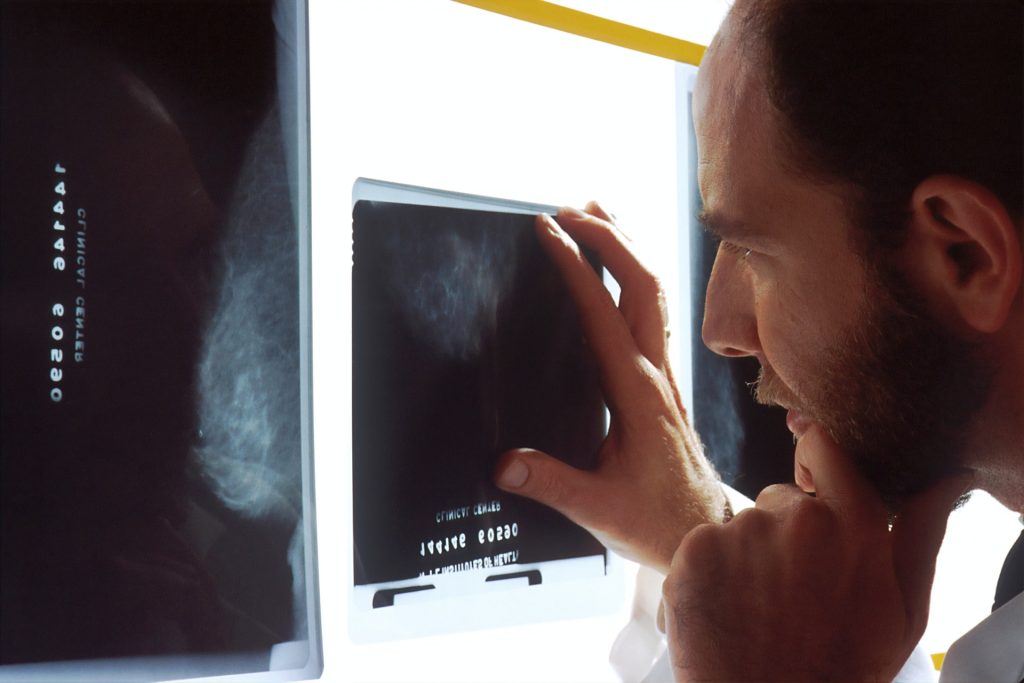
While AI offers the ability to improve human experts’ ability to diagnose and treat diseases like breast cancer, well-publicised errors across the broader AI field are cause for concern. A team from the University of Pittsburgh has used PSC’s flagship Bridges-2 supercomputer to design a deep neural network (DNN) that takes uncertainty into account in diagnosing breast scan images. By providing a gauge of how accurate the prediction is likely to be, their AI assesses confidence that the answer is right for an individual patient, not just on average in a population.
Why it’s important
It’s a time of uncertainty for the future of AI. On the one hand, AI now powers so much of the good things we take for granted, including online shopping, transportation and road navigation, and fraud prevention. On the other, we have AI-written books on AI spouting made-up quotes and facts, autodriving cars not recognising pedestrians, and AI “helpers” spinning off into racist behaviour.
AI clearly has the ability to make our lives better. But most of us agree that we need to be more cautious about its reliability – giving us right answers doesn’t help if it also gives us wrong answers with equal confidence.
“I’m trying to develop effective AI models or methodology that can make AI model development easier, make breast cancer diagnosis more accurate, [and] make this model, make medical imaging AI models in general, more trustworthy and thus more clinically useful.”
Shandong Wu, University of Pittsburgh
Shandong Wu, a professor of radiology at the University of Pittsburgh School of Medicine, has been studying the use of AI to help radiologists identify breast cancer earlier and more effectively, as well as to identify patients’ likely future treatment needs. But he’s also been thinking about that question of reliability – of how much confidence we can and should put in its output.
Jiren Li, a PhD student working with Wu and with another radiology faculty member, Dooman Arefan, a research assistant professor at Pitt, wondered whether a breast-cancer diagnosis AI could be designed from the beginning to take uncertainty into account. That way, it could provide valid estimates of confidence along with its predictions. To implement their AI, he turned to PSC’s NSF-funded Bridges-2 system, via an allocation from ACCESS, the NSF’s network of supercomputing sites.
How PSC helped
The problem, the Pitt scientists realised, is that it’s straightforward to design a DNN-based AI that gives you correct answers most of the time – even almost all of the time. DNNs, created to teach themselves from a training data set in which the “right answers” have been labelled by humans, are really good at telling you what the answer is likely to be across a population of patients. But they’re not so good at telling you how reliable a diagnosis is for an individual patient. And when you’re talking about an AI that guides treatment of a life-threatening disease, even a few wrong diagnoses are catastrophic for the patients they affect.
The team approached the problem with what they’ve called uncertainty-weighted learning, or UWL. In this approach, the DNN architecture was designed to provide both a diagnosis and an associated “uncertainty score” from analyzing breast mammogram images. The uncertainty score becomes part of the DNN’s learning process, guiding the model’s learning to more effectively deal with those uncertain samples during training.
Creating the UWL tool posed serious computational challenges. DNN learning works best on graphics-processing units (GPUs), which feature many computational paths rather than pure speed at computing a single task. Because breast mammograms are large, high-resolution images, the GPUs would need access to large, shared memory as they deconstructed and learned from each training image. That would prevent slow-downs from having to go back and forth to data storage during the computations. In addition, large data storage would also be needed to host the full library of imaging data for AI model training and testing.
“Bridges-2 is critical for the success of these studies, because as you can imagine, this is all using large-scale, high-resolution, heterogeneous radiology imaging data, and in order to build this AI model, we need GPUs, memory, and larger storage to make this possible. Bridges-2 has been the primary source of computational resources for my lab for many years, supporting us to be able to store our data there, build multiple AI models, and evaluate these models… So, it’s really enabled us to develop innovative AI models and store large medical datasets.”
Shandong Wu, University of Pittsburgh
Bridges-2 fit the bill, with 47 GPU nodes containing 384 late-model GPUs. Better, each node has between 128 and 2000 gigabytes of RAM per node compare that with 64 GB total in a high-end laptop. PSC’s active project data storage system, Ocean, was also up to the task, with 15 petabytes of usable data capacity at high retrieval speeds. Again, that hot laptop might have as much as 2 terabytes of data storage, or 7500 times less.
The results of the Pitt group’s first analysis using several different UWL-based DNNs were encouraging. One of the DNNs in particular provided good assessments of the uncertainty of its answer, cuing doctors and their patients when a given diagnosis might be less trustworthy at the level of a specific patient. Better, it did this without reducing its accuracy at the population level. The team reported their results at the annual meeting of the Society of Photo-Optical Instrumentation Engineers (SPIE) in February, 2026 at Vancouver, Canada.
The Pitt scientists’ work has applications beyond the already important goal of making breast cancer diagnosis more accurate and trustworthy. The approach can be applied to just about any critical use of AI where the uncertainty as well as the prediction are important to know. Future directions include extending these uncertainty-based approaches to AI systems that integrate images and other types of medical records data, and enabling better human–AI collaborations, in which the decision-making can be tailored according to the measured model confidence. These advances could help create more trustworthy and clinically useful AI systems that improve both diagnostic accuracy and personalised patient care.
Killer T cells about to destroy a cancer cell. Credit: NIH
Scientists at the University of Southampton have begun work on reprogramming natural killer cells to create pre-armed, long-lasting protection against common respiratory viruses including colds, flu and RSV. The approach differs from traditional vaccination, which uses weakened pathogen to train adaptive responses.
Professor of Hepatology Salim Khakoo from the University of Southampton said the technique could change how people protect themselves from flu, colds and RSV: “We’re working on creating a natural killer cell found in the lungs with a memory about how to fight the viruses immediately someone is infected. The idea is to arm our body naturally by enhancing these cells so that they can prevent infection from ever becoming established.”
Natural killer cells act as early responders that can destroy infected cells before a virus spreads, but they are short-lived. Co-lead Dr Andres Vallejo noted that learning to reprogram them could yield long-lasting versions resident in the airways, ready to respond on first exposure. The team received £2.5 million for the TRIUMPH-NK project under a £57 million Advanced Research + Invention Agency (ARIA) initiative. Success would aim for protection against most common respiratory viruses rather than single strains. Viruses such as flu, RSV and Covid remain major causes of illness and winter hospital admissions in the UK.
University of East Anglia researchers have found that small changes in pupil size and blink patterns can indicate mental workload during virtual reality tasks. Combining AI with eye tracking in VR may eventually support personalised treatment for chronic pain.
Lead researcher Dr Jordan Tsigarides said chronic pain affects an estimated 1.5 billion people worldwide and is a leading cause of disability. The work forms part of his PhD exploring AI and sensor technology to make VR treatments more responsive, aiming to balance challenge and comfort.
“Chronic pain affects an estimated 1.5 billion people worldwide and is one of the leading causes of disability. Virtual reality has enormous therapeutic potential – whether that’s guiding patients through a peaceful woodland, supporting relaxation exercises or engaging them with games and puzzles that help manage pain. It can help reduce chronic pain by immersing users in engaging, interactive environments that capture the brain’s attention and draw it away from pain, reduce pain-related stress and anxiety, and may even help retrain how the brain processes pain over time.
“But most virtual reality programs offer the same experience to everyone, even though people’s pain and mental effort can fluctuate from moment to moment. Our work suggests future systems could read mental effort through the eyes and adapt therapy in real time to each individual. If a headset can detect when someone is becoming mentally overloaded, it could potentially adapt the experience automatically to keep them engaged and maximise therapeutic benefit.”
In a study of 84 volunteers (42 healthy controls and 42 with chronic musculoskeletal pain such as arthritis or fibromyalgia), participants completed escalating memory (N-back) challenges while wearing a VR headset with eye tracking. As cognitive demand rose, pupils widened and blink rates increased.
AI models analysing temporal patterns distinguished low versus high mental workload with up to 88% accuracy in healthy volunteers. Tasks were well tolerated, with very low reported motion sickness or discomfort. The findings support feasibility of VR-embedded eye tracking for cognitive-load estimation; reliable individual-level inference in chronic pain will require participant-calibrated models and further validation. The researchers hope this could enable wearable systems that adapt therapy in real time.
Dr Tsigarides said: “These results suggest a future in which a headset could continuously monitor the brain’s workload through the eyes, automatically fine-tuning treatment to each individual user.
“Our earlier research showed promising pain reductions in people with fibromyalgia using therapeutic VR. Now we’re exploring how to make those experiences smarter, more responsive, and tailored to each person.
“Until now, most VR has been one-size-fits-all. Our findings could help make treatments more personalised and responsive. This could enhance future VR treatments, not just for pain but potentially for conditions like anxiety or depression.”
“In future, the same principles could be explored in education and professional training, where virtual learning experiences might adapt to the learner’s mental workload.”
However, the study also highlighted a challenge. While AI models performed strongly in healthy volunteers, accuracy was significantly lower among people living with chronic pain, suggesting that standardised approaches may not work equally well for all patients.
The researchers believe future systems may need to be individually calibrated, learning how each person’s eyes respond to mental effort before making treatment decisions.
And they say that larger studies are needed to determine whether adaptive VR therapies can improve real-world outcomes for patients.
Children whose mothers received opioid prescriptions during pregnancy have a higher rate of hospital admission in childhood than unexposed children, including unexposed siblings, according to a new study published October 13th in the open access journal PLOS Medicine by Dong Keon Yon of Kyung Hee University College of Medicine, South Korea, and colleagues.
Over recent decades, opioid prescriptions and doses have risen in clinical practice, and a considerable proportion of pregnant women are exposed to these drugs. In the US, for example, data has shown that 14-22% of women filled a prescription for opioids during pregnancy. Prenatal opioid exposure may disrupt infant development and immune system function, but prior studies have had limitations such as confounding factors, limited sample sizes, or restricted follow-up durations.
In the new study, researchers used nationwide health insurance data on mothers and children in South Korea, following a cohort of 2,928,186 children born between 2010 and 2017 for up to 14 years. Children were classified as prenatally exposed to opioids if their mothers received two or more opioid prescriptions during pregnancy, and were compared both with unexposed children and with their own siblings.
Children with prenatal opioid exposure had a 28% higher rate of hospital admission than unexposed children (adjusted incidence rate ratio 1.28, 95% CI 1.28-1.29). The association was smaller but still significant when comparing siblings (aIRR 1.08, 95% CI 1.07-1.10). The effect was also dose-dependent, with higher maternal opioid doses associated with higher admission rates (aIRR 1.19 for low-dose exposure versus 1.40 for high-dose exposure). The elevated admission rates spanned several causes, including infections and respiratory, gastrointestinal and genitourinary conditions, with the association strongest up to five years of age.
“These findings suggest the need for additional postnatal health checks for those born to mothers with opioid prescriptions during pregnancy,” the authors write. “However, these findings should be interpreted with caution, as the study relied on electronic health records, which may not reflect actual use of medication, and unmeasured factors shared within families may still partly explain the observed associations.”
Dong Keon Yon, MD, PhD (co-corresponding author) states, “In a nationwide cohort of nearly three million Korean children, those whose mothers received two or more opioid prescriptions during pregnancy had about a 28% higher rate of hospital admission, most notably for infections and respiratory illness in the first years of life. The risk rose with higher opioid doses and longer prescriptions, which points to a possible biological effect—but when we compared siblings within the same family, the association shrank considerably, so shared family factors clearly explain part of what we see.”
Jiseung Kang, PhD (co-corresponding author), adds, “Because opioids in South Korea are obtained almost entirely by prescription, our data let us examine prescribed opioid exposure in pregnancy unusually cleanly, and following nearly three million children for up to 14 years gave us the statistical power to look at dose, timing, and specific causes of admission separately. The consistency of the pattern across all of these analyses is what makes the finding hard to dismiss.”
Hyeon Jin Kim, MS (joint first author) states, “Our message is not that pregnant women should never receive opioids—for some, pain relief is essential. It is that opioids in pregnancy should be prescribed at the lowest effective dose for the shortest time, and that children born after such exposure may benefit from closer routine health checks, particularly in infancy when the risk was highest.”
Yesol Yim (joint first author) notes, “What surprised us most was how quickly the association faded as children grew older. The excess risk was clearest in the first year of life and had largely disappeared after age five. That pattern suggests a window of vulnerability in early infancy rather than a lifelong effect – and it is a window in which pediatric follow-up can make a real difference.”
Doctors and supporters of unemployed medical professionals protest outside the Natalia Building in Pietermaritzburg, calling for action on doctor unemployment. (Photo: Supplied)
By Sue Segar for Spotlight
They are qualified, ready, and willing to serve their communities. But scores of these doctors in KwaZulu-Natal, are becoming increasingly desperate because of a lack of posts in government hospitals and clinics.
Dr Tholumusa Sibiya remembers, as if it were yesterday, the day, in 2015, when a group of young doctors visited his school in Ingwavuma, KwaZulu-Natal to urge talented pupils to apply to university to study medicine and other health disciplines.
The doctors were from Mosvold Hospital where manager, Dr Andrew Ross, had started a fund to encourage local pupils to train in medicine and return to serve in their communities.
“The message from these young professionals was, ‘yeah, it’s doable. You can also study medicine. And you’re needed.’ That really inspired me,” says Sibiya, who was the top pupil in matric at Nansindlela Combined School.
He knew about Mosvold Hospital because his father worked in the mortuary, and his mother in the laundry services there. But, till then, it hadn’t occurred to him he could be a doctor there some day.
“One of the doctors said something that knocked sense into me. He said as rural kids, we need to work twice as hard to have half of what guys in other schools have,” he recalls.
Sibiya and other pupils from the area then formed a study group, to “share information and support each other”. “It helped a lot working together … especially with mathematics and physics,” he says.
Against the odds
Sibiya’s hard work paid off, and armed with an Umthombo bursary, he was accepted at the University of KwaZulu-Natal to study dental therapy. A year later, he transferred to the university’s medical school, and qualified as a doctor in 2022.
“My parents were ecstatic,” he says.
Straight after qualifying, he did two years of internship at Empangeni’s Ngwelezana Hospital, followed by community service at Manguzi Hospital in northern KwaZulu-Natal. “I rotated from one department to the next – paediatrics, maternity, the emergency unit – and learnt so much. It was the best,” he says.
He was geared up and ready to return home to serve his rural community as a doctor. His long-term dream was to work as an emergency physician in a hospital in rural KZN; maybe to specialise as an anaesthesiologist. But to specialise, you need to work in a public facility.
That was 2025. Since then, Sibiya has not been able to find a job as a doctor in the public healthcare sector. “I started applying in October last year,” he says. “But, so far, nothing.”
Many unemployed doctors
Sibiya is not alone. Spotlight has spoken to several other young doctors who are in the same boat. He reckons there are well over a hundred recently qualified doctors looking for work just in KwaZulu-Natal, others put the number at closer to 200. Even this may be an undercount since it doesn’t fully account for doctors who are still unemployed from previous years, or who have stopped looking for work. Some recent reporting suggests that the National Department of Health does not have a reliable count of how many unemployed doctors there are who are looking for work in the country.
Those who have received government bursaries, cannot fathom “why the government invests in us, then dumps us”. “Even now, they’re sending a new batch to study overseas, but where will they work?” says one doctor, who suggests that Cuban-trained doctors are prioritised for jobs because the government allegedly has a contractual obligation to give them jobs.
Currently, Sibiya and others have few alternatives but to try and do locums in private practises or in private hospitals.
“We’ve worked hard, done all that’s necessary to qualify and completed our internships and community service in preparation for careers in service to others, but we cannot find jobs,” says Sibiya.
Scrambling to make ends meet
We are meeting Sibiya on a Sunday at a coffee shop in Pietermaritzburg. He is currently living in Margate on the KwaZulu-Natal south coast and has come to Pietermaritzburg to do a locum shift for a private GP.
“I do shifts wherever I can find them. Primarily, I’m working in the emergency unit at the Shelly Beach (private) Hospital on the south coast. They call me whenever they need me, but I have no contract. That’s how I’ve been paying bills,” he says.
He keeps up with scores of other unemployed doctors on three different WhatsApp groups where, among others, they share job and locum opportunities, advise and support each other, and coordinate some of their interactions with the provincial health department.
“There are many people on the group(s) who aren’t able to get locum posts,” he says, “and they are really struggling. Some have depression. Sometimes it boils down to cars being repossessed, people going back home. Some people say, ‘I can’t put bread on the table, I’m selling my stuff because I can’t make ends meet’.”
“The mother of a friend of mine, also an unemployed doctor, called me recently and told me he’s drinking every day because the stress has been too much,” says Sibiya. “Some of the stories will make you cry.”
The situation is particularly tough on young doctors from poor backgrounds who do not have the funds to sustain themselves without work for extended periods.
‘I can feel I’m going into a depression’
Dr Raeesa Kathrada says she has sent her CV “to every doctor I know and to every private hospital and applied for every locum position.
“I can feel I’m going into a depression … as are my colleagues. Many people reach out to me, saying they don’t know how to survive,” she says.
Kathrada says some doctors have been waiting up to three years to find jobs.
Dr Lawrence Khoza from Osizweni, near Newcastle, is also struggling to find a position in the public sector. He started a private general practice, but he says he wants to work for the government and to see patients for free. “My passion is to help poor patients … but now I can only help those in the middle class who can afford medical aid,” he says.
Dr Nazo Nxumalo, originally from Mtubatuba, qualified in medicine at UKZN in 2022, did a two-year internship at Empangeni’s Ngwelezane Hospital and her community service at the Nseleni Community Health Centre in 2025. “After that, it was unemployment,” says Nxumalo. “It was like being dropped in the middle of the ocean.”
“I really thought that, after my community service, employment in the public health system would follow,” she says. “Basically, the department has left us stranded. We went into medicine, a very important job in society, believing we were entering a profession where our skills would always be needed.”
Understaffing in public health facilities
The unemployed doctors say that, while they are struggling to find work, the province at the same time desperately needs more doctors if it is to improve the quality and availability of healthcare services. “There is a big shortage; doctors are suffering in silence. The demand is there but the government is turning a blind eye,” says Khoza.
Several doctors who are currently employed at public sector hospitals in the province agree that they need help. One doctor, from a rural hospital speaks about “long lines of patients, late into the day” and doctors often working overtime and never taking a lunch break because “we can’t afford the 15 or 30 minutes of having no doctor on duty”. We are not naming the employed doctors quoted in this story since they could potentially suffer repercussions for speaking out.
“Whenever people leave our hospital, the posts are not filled because of budget cuts,” says another employed doctor. “Several departments here are severely short staffed.”
A recent report from South Africa’s Health Ombud paints a similarly grim picture. Following an investigation into the deaths of six healthcare workers at six public health establishments in KwaZulu-Natal, the Ombud found that while their deaths were not a result of workplace bullying, victimisation, or adverse working conditions in the hospitals under investigation, there were “significant” systemic challenges affecting healthcare professionals in the health establishments. These included “persistent staffing shortages, frozen vacant posts, rising workloads, shortages of medical equipment and supplies, inadequate employee wellness support services, infrastructure challenges, and security concerns affecting healthcare workers”.
A rough benchmark is that 1 doctor is needed for every 1 000 people, although experts stress that target ratios may differ based on factors like disease profile and population density. According to a 2025 parliamentary answer, the ratio in KwaZulu-Natal stood at around 0.38 doctors per 1 000 people – according to the District Health Barometer it was at just under 0.4 in 2024.
Though the KwaZulu-Natal Department of Health does not describe the situation as a crisis anywhere we could find, they do acknowledge shortages. Their 2025-2026 annual report largely blames a budget crunch. “The ongoing budget cuts due to implementation of austerity measures have had a significant impact on the ability of the department to fill vacant critical posts especially among clinical specialists (nurses and doctors), allied health professionals including in finance and human resource administrative posts,” the report reads.
Protests in Pietermaritzburg
On 17 June this year, a large group of unemployed doctors protested outside Natalia, which houses the KZN Department of Health and the Office of the Premier, to call on the provincial government to act urgently to create jobs for the numerous unemployed medical professionals.
With many wearing scrubs and holding placards, the doctors voiced their willingness to serve their communities. They highlighted the shortage of qualified doctors, the systemic strain in provincial hospitals and clinics, and a poor doctor-to-patient ratio in the province.
The protesters also pointed out that some doctors have been waiting for years for jobs; and that their ambitions to specialise in various medical areas were being severely hindered because of the lack of government posts.
They submitted a memorandum addressed to KZN Premier, Thami Ntuli, Health MEC Nomagugu Simelane, and head of the health department, Penny Msimango. Among others, the protestors demanded that the provincial health department advertise all the vacant medical officer positions at various public healthcare institutions within 14 days and that it develops a sustainable long-term plan to provide posts annually and address doctor unemployment beyond 2026.
Not enough money
In a written response to the protestors, the department said: “A filling of vacant posts is dependent on the availability of funds to compensate employees. The department is underfunded for 2026/7 financial year, therefore not all vacant posts can be filled.” They said that, due to the budgetary constraints, they could not commit to timelines for filling posts.
Spotlight sent the KwaZulu-Natal Department of Health a detailed set of questions (which you can read here) on the afternoon of Thursday15 October. We gave them a deadline of end of business on Tuesday 20 October. While the department acknowledged that they received our questions, they did not provide responses by the deadline.
On July 6, Simelane met with representatives of the unemployed doctors and representatives from the South African Medical Association Trade Union (SAMATU) (the unemployed doctors say that SAMATU had to be present since the department does not recognise the group of unemployed doctors).
According to Sibiya, the meeting did not go well. “Their clear message was that the department has enforced austerity measures and they do not have money to fund posts. They committed to try and look for 20 posts but that was all they could promise,” he says. In his view, 20 is not nearly enough. The department later upped the number of newly released posts to 50. The unemployed doctors say that while these jobs have been advertised, there have been no further movement.
But what stung Sibiya more was the sense he got that the department had accepted the situation and given up. “What was really astonishing was that they said they are comfortable with the numbers of doctors in the province on paper,” he says. Spotlight asked the department whether this characterisation is accurate, but did not receive an answer.
“Our response is that …. if something’s declared a crisis, finances are moved to meet that crisis, be it at provincial or national level,” Sibiya says. “I’m sure the public feels the same way: the doctors on the ground by no means meet the demand. They could hire all the unemployed doctors in the province, and still the demand wouldn’t be met.”
“We are not trying to fight”
As the 2026 convenor of the KZN Unemployed Doctors group, Sibiya has been in the middle of much of these developments. The group was formed a few years back with the goal of communicating with the provincial health department to raise doctors’ concerns about unemployment. It was only after several other efforts at engaging the department had not gone anywhere that they decided to protest.
In the meeting, he says they stressed “that we’re not here to fight”. “We understand the department has financial constraints. But we’re talking about the health of the entire province resting on a few shoulders who are really tired; and people ready to work cannot be integrated into the system because of austerity measures”, he says.
“I think we must all agree it’s a crisis. Once we do this, I’m certain funds can be mobilised from somewhere,” he says. “Alternatively, we could expand the system of employing sessional medical officers, where doctors work for a certain number of hours in clinics and hospitals, and earn less.”
But, says Sibiya, “it’s almost as though they’ve given up”.
That sense that those in power are not hearing them was recently reinforced when premier Ntuli reportedly called on doctors who have left the province to return home and help strengthen the health system. More than one unemployed doctor told Spotlight that they were enraged by the comments in the context of their struggle to get jobs. “It’s ridiculous,” says Sibiya. “After all our efforts to speak to the government, and being ignored, now this.”
“Just go private!”
Meanwhile, Sibiya and scores of other young, unemployed doctors are still having to scramble to make ends meet.
Sibiya says people often say to unemployed doctors that they should go private. “Yes, that’s an option, but from the point of view of specialising, it destroys the pipeline. And if all of us go private, then in upcoming years, we will be talking about a shortage. And, in a time of NHI, why are doctors having to work in private”, he asks.
“It’s worse for us coming from Ingwavuma, funded by Umthombo, where when we signed the contract, we were told, ‘You’re going to come back and serve your community’. I was happy to do that,” he says. Umthombo is a scheme that supports young people from rural KwaZulu-Natal to study medicine and then to return to serve their communities once qualified.
Despite all the setbacks, the dream of serving his community remains alive for Sibiya. His eyes light up when he talks of his dream to work rurally, preferably at the hospital he loves, Manguzi.
But, right now, that dream seems far away. He says his main focus at the moment is just to survive.